Ask most podcast studio owners how their clients feel about the experience, and the answer is almost always some version of "good, I think." Nobody is booking a return session and complaining in the same breath. The calendar looks healthy. Nobody has filed a complaint. So the studio must be doing fine.
That assumption is one of the most common blind spots in a growing studio business. Silence is not the same as satisfaction. A client who quietly stops booking rarely tells you why. A client who is mildly annoyed by a scheduling mix-up or a rough handoff on their files usually says nothing at all, they just don't come back, and they don't refer anyone either. By the time a studio notices a slowdown, the actual dissatisfaction that caused it happened weeks or months earlier.
Net Promoter Score and structured satisfaction tracking exist to close that gap. They replace a gut feeling with a number you can watch move over time, and they surface the specific friction points that are quietly costing a studio its best clients before those clients ever say a word.
This article walks through what NPS actually measures, why most studios skip it, and how to build a lightweight tracking system that gives you a real, ongoing read on client sentiment without turning into another piece of admin overhead.
What NPS Actually Measures (And Why It's Different From "Did They Have Fun")
Net Promoter Score is built around a single question: "On a scale of 0 to 10, how likely are you to recommend this studio to a friend or colleague?" Respondents who answer 9 or 10 are promoters. Those who answer 7 or 8 are passives, satisfied but not enthusiastic enough to actively recommend. Everyone from 0 to 6 is a detractor. The score is the percentage of promoters minus the percentage of detractors, and it can range from negative 100 to positive 100.
What makes this question more useful than "how was your session" is that it asks about advocacy, not just satisfaction. A client can be perfectly content with their recording experience and still never mention the studio to anyone. NPS filters for the clients who are happy enough to put their own reputation behind a recommendation, which is a much stronger signal for the kind of organic referral growth covered in the marketing strategies guide for podcast studios.
Most studios skip NPS for the same reasons they skip retention tracking in general: it feels like unnecessary process for a business that runs on relationships, and nobody wants to add a survey to an already busy client handoff. But a studio doing 60 or 80 sessions a month cannot rely on individual memory to catch a dissatisfied client. The owner does not have a conversation with every client after every session. A structured number does the listening at scale.

Building a Simple NPS System for a Podcast Studio
A workable NPS system does not require survey software or a dedicated ops hire. It requires three decisions made once and then applied consistently: when you ask, how you ask, and where the answers live.
When to ask. The strongest response rates come from asking within 24 to 48 hours of a session, while the experience is still fresh. Waiting a week drops recall and response rate significantly. Tie the survey to a trigger, not a calendar reminder: it goes out automatically after a session is marked complete.
How to ask. One question, one follow-up. The core NPS question, followed by a single open field: "What's the main reason for your score?" This second question is where the real value lives. The number tells you the trend, the comment tells you why. Keep it to these two fields. A long survey after a recording session will tank your response rate regardless of how good your relationship with the client is.
Where the answers live. For a studio just starting this, a shared spreadsheet with columns for client name, session date, score, and comment is enough. What matters is that someone reviews it weekly, not that it lives in expensive software. Studios further along often fold this into their studio management platform so responses attach directly to the client record and show up alongside booking history.
The mechanics matter less than the consistency. A studio that sends this survey after every single session, even when it feels repetitive, builds a real dataset within a month or two. A studio that sends it occasionally, only when someone remembers, ends up with a handful of data points that cannot tell you anything about a trend.
Reading the Score: What Good and Bad Actually Look Like
Once responses start coming in, the raw number needs context. A single response of 6 does not mean a crisis. A trend of scores drifting downward across a month does.
For a service business like a podcast studio, an NPS in the 50s or 60s is a strong, healthy signal. Scores in the 30s and 40s suggest the experience is solid but unremarkable, the kind of studio clients use without necessarily choosing over a competitor if one appeared. Anything consistently below 20, or a rising number of single-digit responses, is a signal that something structural in the client experience needs attention before it shows up in the calendar as fewer repeat bookings.
The open-ended comment field is where the diagnosis happens. If detractor comments cluster around a specific theme, a late turnaround on files, confusion during check-in, an inconsistent engineer experience, that theme is your actual priority, not a vague sense that "we should improve service." This is the same discipline covered in the SOPs guide for podcast studios: specific, repeatable friction points are fixable with a specific, repeatable process. Vague dissatisfaction is not fixable at all until it gets specific.
It's worth tracking scores by session type as well as in aggregate. A studio running both podcast sessions and corporate video shoots often finds the two client types have very different expectations and different score patterns. Averaging them together hides which segment actually needs the attention.

Closing the Loop: What to Do With a Low Score
Collecting scores without acting on them is worse than not collecting them at all, because it creates a paper trail showing the studio knew about a problem and didn't respond. The response to a low score matters more than the score itself.
Any detractor score, a 6 or below, should trigger a direct, personal follow-up within a day or two. Not a defensive one, a genuinely curious one: "I saw your feedback and wanted to understand more; what would have made the session better?" Clients who leave a low score but get a thoughtful, human response often become some of the most loyal clients a studio has, because they feel heard rather than ignored. Clients who leave a low score and hear nothing back are confirming their decision to not return.
Passive scores, 7s and 8s, deserve attention too, even though they are not urgent. These are the clients sitting on the fence between becoming a promoter and quietly drifting away. A short, low-effort touchpoint, sharing something useful or simply asking how their episode turned out, can be the nudge that moves them into the promoter category before their next booking decision.
Promoter scores are an opportunity, not just a pat on the back. A 9 or 10 is the ideal moment to ask for a referral, a testimonial, or a review, while the enthusiasm is fresh. Studios that only think about referrals in the abstract, rather than triggering the ask at the exact moment a client signals high satisfaction, leave a significant amount of word-of-mouth growth on the table.
Turning Individual Scores Into an Operating Rhythm
A satisfaction tracking system only compounds in value if it becomes a habit rather than a one-time project. The studios that get the most out of NPS build a short, recurring review into their operating calendar rather than checking the spreadsheet only when something feels off.
A simple version of this: a 20-minute monthly review where the owner or ops lead looks at the aggregate score trend, reads through every detractor comment from the month, and picks one specific process change to test based on what showed up most often. This is a manageable amount of structure for even a lean, owner-operated studio, and it turns feedback into a continuous improvement cycle instead of a folder of unread comments.
As the studio grows and adds staff, this review becomes a useful management tool as well. Scores broken down by which producer or engineer ran the session can surface coaching opportunities long before a client complaint would. This is delicate territory, framed as development rather than as a scorecard used to penalize, but the visibility itself is valuable. It is one of the practical benefits of moving client tracking into a proper studio management tool rather than keeping it scattered across memory and inboxes.

Connecting Satisfaction to the Rest of the Business
Client satisfaction tracking is not an isolated metric sitting off to the side of the business. It connects directly to the two things every growing studio cares about most: repeat bookings and referrals. The loyalty mechanics described in the customer loyalty playbook for podcast studios work far better when they're built on an accurate read of who is actually satisfied, rather than a general assumption that clients are happy because nobody has complained.
It also connects to community. Studio owners tracking this for the first time often find it useful to compare notes with peers who have built similar systems, what response rates they're seeing, what a healthy score looks like for their specific market, how they've structured their follow-up cadence. The Podcast Studio Owners community is where those conversations happen regularly, and it is a useful sounding board for a studio building this kind of system for the first time.
The One-Line Summary
A podcast studio cannot manage client happiness by feel alone. A simple, consistent NPS system, one question after every session, a monthly review, and a fast response to every low score, turns satisfaction from a guess into a number you can actually manage.
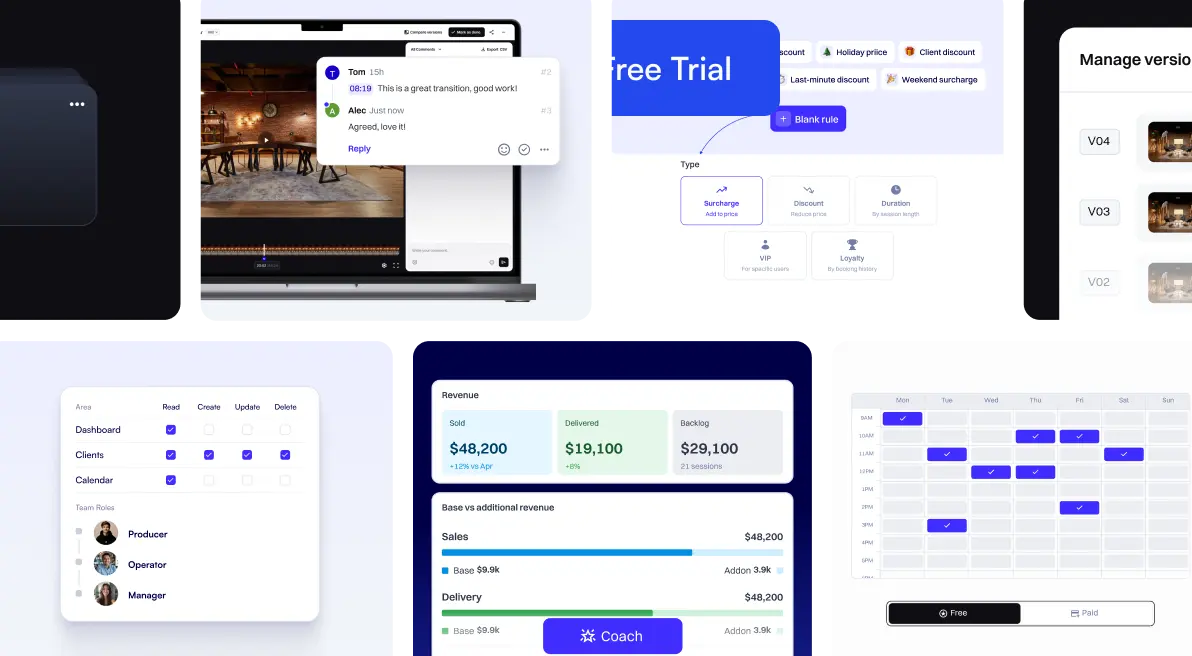
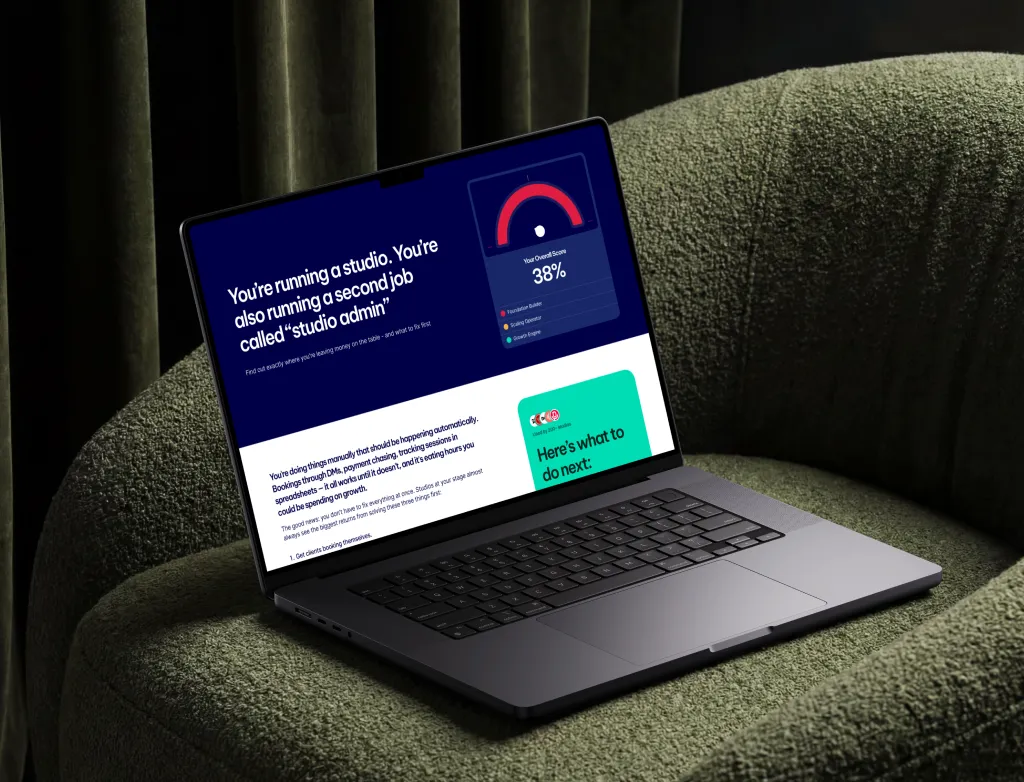
If you're not sure whether your studio's client experience has quiet gaps you haven't spotted yet, the Podyx studio assessment quiz is a fast way to find out where the friction points actually are before they show up as a slower month. For studios that already suspect the answer and want to see how a platform can build satisfaction tracking directly into the client workflow, booking a demo with the Podyx team is the more direct next step. And if you'd rather explore the tools yourself first, the self-serve trial gives you a hands-on look at how booking, client records, and feedback can live in one place.

.jpg)
.jpg)