.jpg)
In the rising world of podcasting, the quality of your audio and video production can make or break your show. While content remains king, the environment in which that content is created plays an equally critical role in its perceived value and listener experience. For podcast studio owners, creating an optimal recording space isn't just about throwing some microphones into a room; it's a meticulous process that combines scientific acoustic principles with thoughtful design and cutting-edge technology. This article delves into the multifaceted aspects of designing a professional podcast studio, moving beyond basic equipment lists to explore acoustics, workflow optimization, aesthetic appeal, and future-proofing your investment. A well-designed studio not only attracts more clients but also ensures consistent, high-fidelity output, setting the stage for truly impactful content.
Acoustics: The Unseen Foundation of Quality Audio
The foundation of any great podcast studio is its acoustics. This isn't just about soundproofing (keeping external noise out), but also about acoustic treatment (managing sound within the room). Poor acoustics can lead to echoes, room reverb, and muddied audio, even with the most expensive microphones.
- Soundproofing vs. Acoustic Treatment: Soundproofing involves blocking external noise from entering or leaving the room. This requires heavy, dense materials like mass-loaded vinyl, double-layered walls with air gaps, solid doors, and specialized window treatments. Acoustic treatment, conversely, focuses on improving the sound within the room. This is achieved using absorption panels (to reduce reverb), diffusers (to scatter sound waves and prevent flutter echoes), and bass traps (to control low-frequency build-up).
- Strategic Placement: The placement of these materials is crucial. Absorption panels are typically placed at first reflection points (where sound bounces from the source to the microphone), while diffusers are often found on rear walls to create a sense of spaciousness without adding reverb. Bass traps are best placed in corners where low frequencies tend to accumulate.
- Room Shape and Materials: Irregular room shapes can sometimes be acoustically advantageous, as parallel walls often exacerbate flutter echoes. Hard, reflective surfaces like bare concrete or glass will cause more issues than softer materials like carpets or upholstered furniture. However, too much absorption can make a room sound "dead," so a balance is key to achieving a natural, pleasing sound.
- HVAC and Noise Reduction: Don't overlook the noise generated by heating, ventilation, and air conditioning (HVAC) systems. Ducts should be designed to minimize airflow noise, and quiet HVAC units are a worthwhile investment. Every decibel of ambient noise you can eliminate before recording is a victory.
Equipment Selection: Beyond the Microphone
While microphones are often the first thing people think of, a professional studio requires a comprehensive suite of interconnected equipment.
- Microphones: Condenser microphones (large-diaphragm for vocals, small-diaphragm for instruments/room sound) are preferred for their sensitivity and detailed sound capture. Dynamic microphones are more robust and less sensitive to room acoustics, making them good for live shows or untreated spaces. Consider USB microphones for simplicity or XLR microphones with interfaces for professional flexibility. For multi-host setups, cardioid patterns are ideal for isolating voices.
- Audio Interfaces and Mixers: An audio interface converts analog microphone signals into digital data for your computer. For multiple inputs, a digital mixer or a multi-channel audio interface is essential. Look for high-quality preamps to ensure clean gain.
- Headphones: Closed-back headphones are crucial for hosts and guests to monitor their audio without bleed into the microphones.
- Cameras and Lighting (for Video Podcasts): With the rise of video podcasts, high-quality cameras (DSLRs, mirrorless cameras, or dedicated studio cameras), professional lighting kits (key, fill, and backlights), and teleprompters are becoming standard. Ensure cameras can record in high resolution (1080p or 4K) and that lighting is consistent and flattering.
- Computers and Software: A powerful computer with ample processing power and storage is necessary for recording and editing. Digital Audio Workstations (DAWs) like Adobe Audition, Logic Pro, Pro Tools, or Reaper are industry standards. Video editing software like Adobe Premiere Pro or DaVinci Resolve is also essential.
- Accessories: Microphone stands, pop filters, shock mounts, high-quality cables, and a reliable uninterruptible power supply (UPS) are often overlooked but vital for smooth operations.
Workflow Optimization and Layout
An efficient studio layout minimizes setup time, reduces technical glitches, and enhances the recording experience for both clients and engineers.
- Ergonomics: Design the space for comfort and ease of use. Adjustable chairs, monitor arms, and accessible controls reduce fatigue during long sessions.
- Cable Management: A clean, organized studio with proper cable management prevents trip hazards, reduces electromagnetic interference, and makes troubleshooting much easier. Labeling cables is a must.
- Control Room vs. Live Room: For optimal acoustics and monitoring, a separate control room for the engineer and a live room for the talent are ideal. This prevents microphone bleed from speakers and allows the engineer to make real-time adjustments without disturbing the recording.
- Multi-Host Setups: Plan for multiple microphones, headphone mixes, and camera angles if you anticipate recording multiple hosts or guests simultaneously. Ensure adequate space for everyone to be comfortable and visible on camera.
- Guest Comfort: Provide water, comfortable seating, and clear instructions. A relaxed guest will perform better.
Aesthetics and Branding: The Visual Story
For video podcasts, the visual appeal of your studio is almost as important as the audio quality. It contributes to your brand identity and the overall professional impression.
- Visual Appeal: Think about the background, wall colors, furniture, and decor. These elements should create a professional, inviting, and visually interesting environment. Avoid cluttered backgrounds that distract from the speaker.
- Branding Elements: Incorporate subtle branding through logos, color schemes, or unique design elements. This reinforces your studio's identity and provides a consistent look for your clients' content.
- Lighting Design: Beyond basic illumination, consider creative lighting to set a mood, highlight speakers, and enhance the visual depth of the set. Colored LED lighting can add dynamism and be customized for different clients.
- Minimizing Distractions: Ensure the visual environment is clean and free of unnecessary distractions. A minimalist approach often works best, allowing the focus to remain on the speakers.
Technology Integration and Future-Proofing
The technology landscape is constantly evolving, so your studio design should be adaptable.
- High-Speed Internet: Reliable, high-speed internet is non-negotiable for live streaming, cloud uploads, and remote guest integrations.
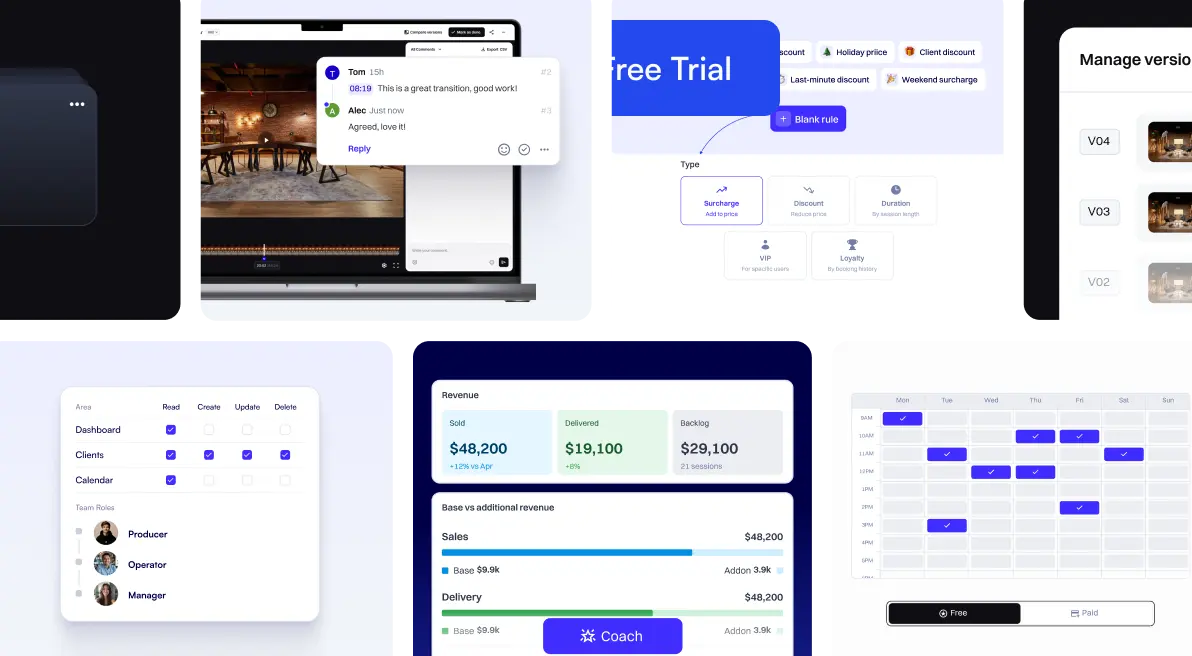
- Cloud Storage Solutions: As Podyx is developing, integrated cloud storage is a game-changer for file sharing and collaboration. Plan your network infrastructure to support fast uploads and downloads of large media files.
- Smart Studio Controls: Consider integrating smart home technology for controlling lighting, temperature, and even equipment power-on sequences, streamlining pre-session setup.
- Modular Design: Design your studio with modularity in mind. Can equipment racks be easily swapped? Can the set be reconfigured? This flexibility allows you to adapt to new technologies or client demands without a complete overhaul.
- VR/AR Readiness: While still nascent, consider how your space might accommodate future immersive recording technologies.
Client Experience Focus
Ultimately, a successful podcast studio thrives on client satisfaction.
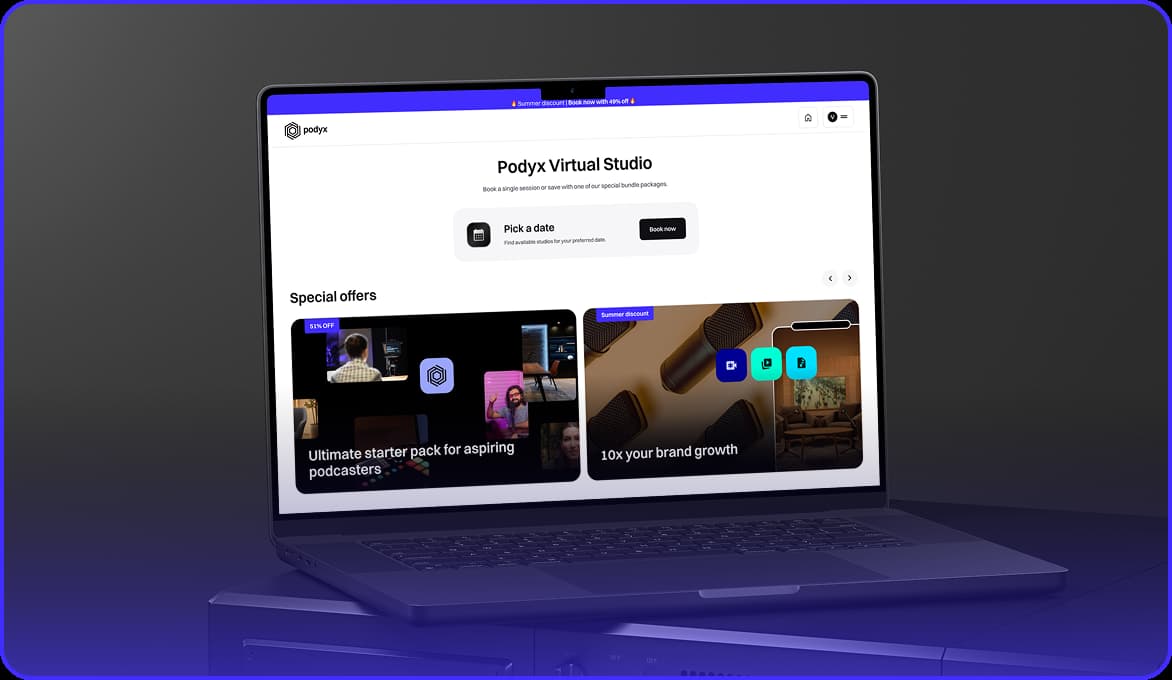
- Ease of Booking and Management: Platforms like Podyx streamline the booking process, but the physical experience must match the digital convenience.
- Comfort and Amenities: A comfortable waiting area, refreshments, and clean facilities contribute significantly to the client experience.
- Clear Communication: Provide clear instructions on how to use equipment, studio rules, and what to expect before, during, and after a session.
- Dedicated Support: Ensure knowledgeable staff are available to assist clients, troubleshoot issues, and provide technical guidance.
Maintenance and Upgrades
A professional studio is an ongoing investment.
- Regular Checks: Routinely check all equipment for wear and tear, cable integrity, and cleanliness.
- Software Updates: Keep all software (DAWs, video editors, operating systems) updated to ensure compatibility and access to the latest features.
- Equipment Calibration: Microphones, monitors, and cameras may require periodic calibration to maintain optimal performance.
- Planning for Expansion: As your studio grows, anticipate the need for additional rooms, equipment, or specialized services. Have a long-term plan for upgrades and expansion.
Conclusion
Designing an optimal podcast studio is a blend of art and science. It requires a deep understanding of acoustics, a careful selection of equipment, thoughtful workflow planning, and an eye for aesthetics. By prioritizing sound quality, operational efficiency, and a superior client experience, studio owners can create a space that not only produces exceptional content but also fosters creativity and builds a thriving business. Investing in these foundational elements ensures that your studio remains a premier destination for podcasters, helping them to unlock their full potential and share their voices with the world.
Want to see how Podyx handles bundles, add-ons, and corporate client management in one platform? Book a free 30-minute walkthrough.
Podyx gives you the tools to structure your pricing, sell bundles, manage add-ons, and track average revenue per session — all in one place. Try it free for 30 days, no credit card required.
.jpg)
ss.jpeg)